

E-Invoicing Consultancy in UAE: Ensuring Seamless Compliance and Efficiency
12/12/2025
From corporate tax registration to audits and bookkeeping, Young & Right offers personalized solutions that keep your business compliant and stress-free. Let’s take the complexity off your plate—starting with a free consultation.
Book Your Free Consultation
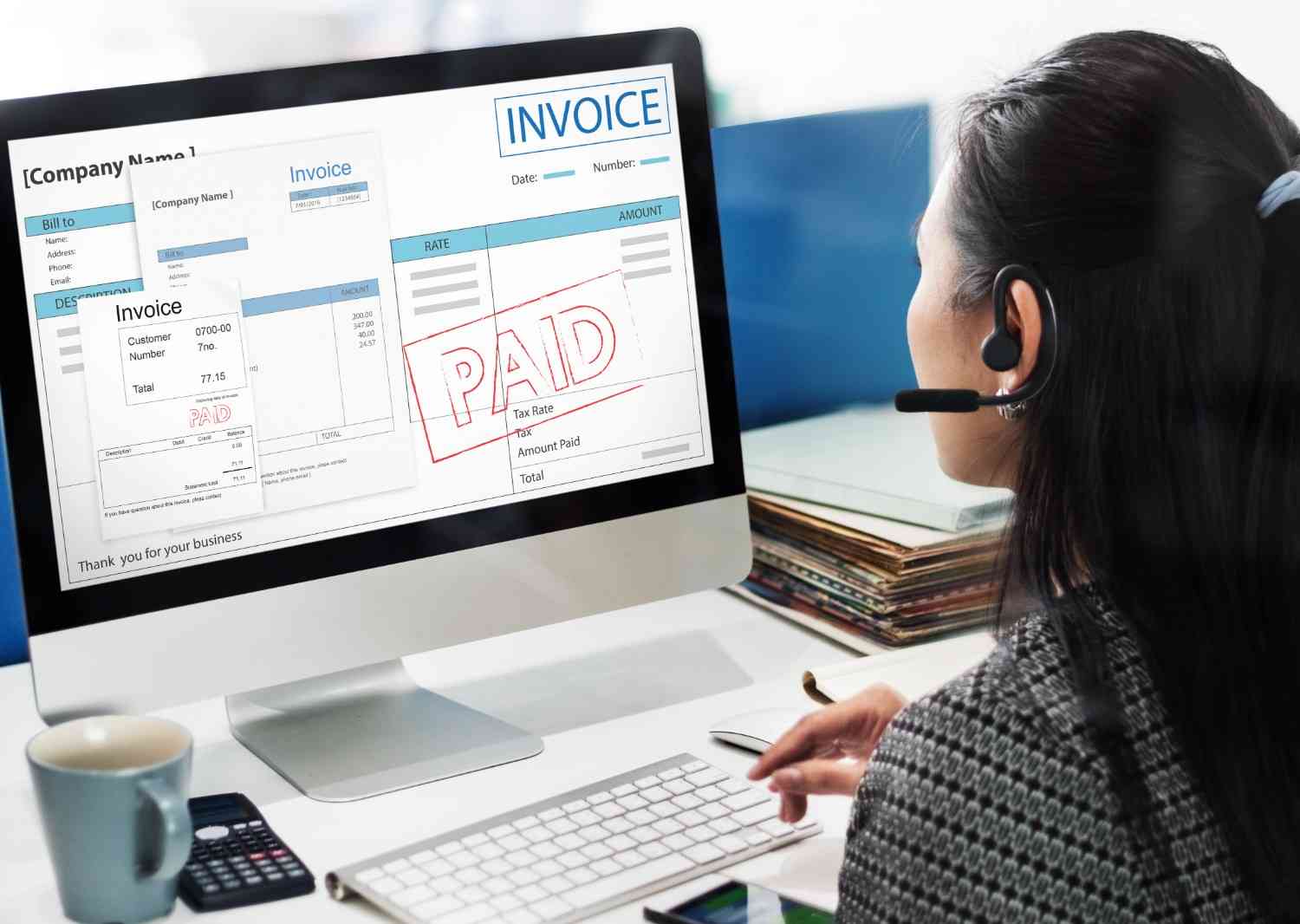
The introduction of e-invoicing in the UAE is changing the way businesses issue invoices and comply with tax regulations. For accounting firms in the UAE, understanding the changes in invoicing procedures is vital for helping clients stay compliant and avoid penalties. This guide will explore the key aspects of e-invoicing, its impact on accounting firms, and the best practices to adopt for successful implementation.
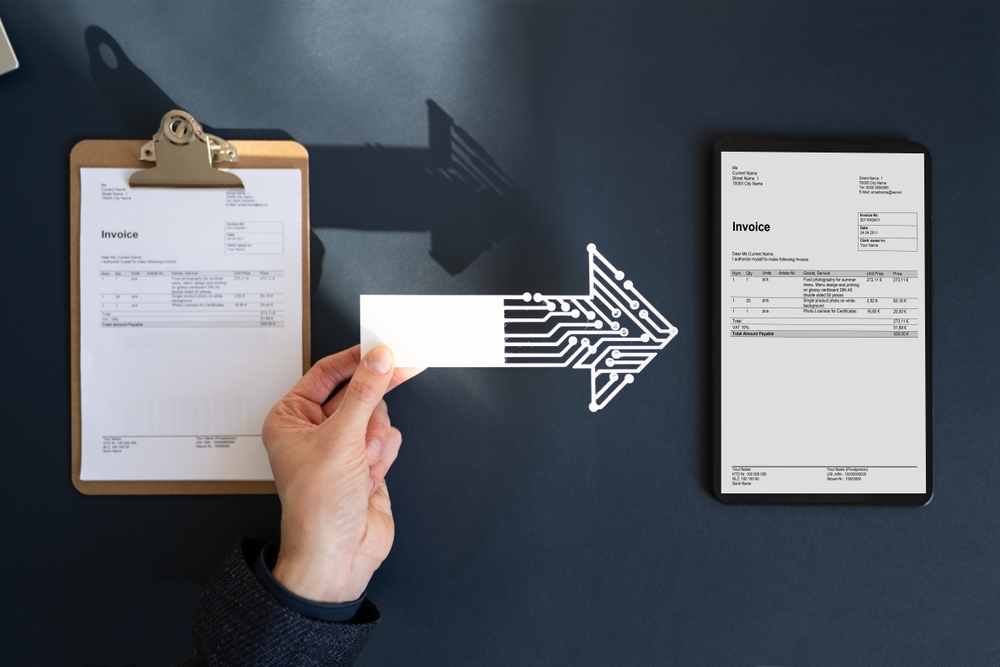
E-invoicing is the process of electronically generating, transmitting, and validating invoices directly through the systems integrated with the Federal Tax Authority (FTA). Since the UAE made e-invoicing mandatory for businesses, it has become essential for accounting firms to integrate e-invoicing systems into their processes. This transformation aims to simplify tax compliance, ensure transparency, and reduce administrative errors.
Generation: Invoices are created electronically using accounting or invoicing software.
Validation: The invoice data is validated for compliance with FTA requirements.
Transmission: The e-invoice is sent to the FTA for real-time processing and storage.
Approval: Once approved, the e-invoice is returned to the business for record-keeping.
As e-invoicing becomes mandatory, accounting firms must update their processes to accommodate the new tax reporting system. Here's why adapting is essential:
Ensure Compliance: E-invoicing ensures that businesses comply with the FTA’s VAT regulations, reducing the risk of penalties.
Automation: Automating the invoicing process helps accounting firms save time and reduce errors in VAT filings.
Real-Time Reporting: E-invoicing provides real-time submission and validation of invoices, making tax reporting quicker and more accurate.
Improved Transparency: By transmitting invoices directly to the FTA, businesses can maintain clear records that can be easily audited.
Accounting firms play a crucial role in helping businesses comply with e-invoicing regulations. Here’s how e-invoicing benefits accounting firms:
Reduced Errors: Automation reduces manual errors that could lead to incorrect tax filings.
Streamlined Compliance: E-invoicing aligns with the FTA’s strict compliance requirements, making it easier for firms to meet deadlines and avoid audits.
Improved Efficiency: The process is faster and more efficient compared to traditional paper invoicing, freeing up time for accounting professionals.
Cost Savings: By eliminating manual tasks and paper-based processes, accounting firms can save costs associated with handling paper invoices.
To effectively implement e-invoicing, accounting firms should adopt the following best practices:
Adopt e-Invoicing Software: Choose a certified FTA-approved software that integrates with the FTA’s system for smooth invoicing and reporting.
Train Staff: Ensure that all accounting professionals are trained to understand the new e-invoicing regulations and how to use the software.
Monitor Compliance: Regularly check that clients’ invoices comply with the FTA’s VAT regulations and make necessary adjustments.
Use Real-Time Validation: Ensure invoices are validated before transmission to minimize the chances of errors and rejected invoices.
Stay Updated: Keep track of changes in FTA regulations and implement necessary updates to the e-invoicing system to ensure ongoing compliance.
E-invoicing introduces several changes in how accounting firms handle their clients' VAT filings and financial operations:
Automation of Invoicing: Accounting firms will no longer need to manually prepare invoices for clients. The process is automated and fully integrated with the FTA systems.
Data Accuracy: Real-time validation ensures that the data is correct and compliant, reducing the risk of errors.
Faster Reporting: With e-invoicing, accounting firms can prepare VAT returns much faster, as the invoicing and reporting are done simultaneously.
Increased Client Satisfaction: Accounting firms can deliver more timely and accurate services, enhancing their relationship with clients.
At Young & Right, we support accounting firms in the UAE with seamless e-invoicing integration and VAT compliance. Here’s how we can help:
Expertise in Regulations: Stay compliant with the latest e-invoicing regulations and FTA requirements.
System Integration: Help with e-invoicing software integration and ensure smooth connection with the FTA.
VAT Reporting Automation: Automate the generation, validation, and submission of invoices to streamline VAT reporting.
Risk Mitigation: Ensure audit-ready compliance and penalty avoidance by maintaining accurate e-invoices.
Ongoing Support: Offer continuous consultation, training, and system updates to keep you up-to-date.
E-invoicing is a vital tool for businesses and accounting firms to meet FTA compliance and streamline financial reporting. By adopting the right tools and staying up-to-date with regulations, accounting firms can help their clients successfully navigate the e-invoicing landscape in the UAE.
As the UAE’s e-invoicing regulations continue to evolve, it’s crucial for accounting firms to stay proactive in adopting the necessary technologies and processes to remain compliant and efficient.


Ensure Compliance and Efficiency with Expert E-Invoicing Solutions from Young & Right. Let Us Help Your Firm Stay Ahead of the Curve.
Get Started Today